Creating A Successful Side Hustle Selling Custom Puzzles
With proper execution, a custom puzzle business can grow from side hustle to substantial income source while providing creative fulfillment and flexible work arrangements.
Apr 29, 202517.6K Shares441.2K Views
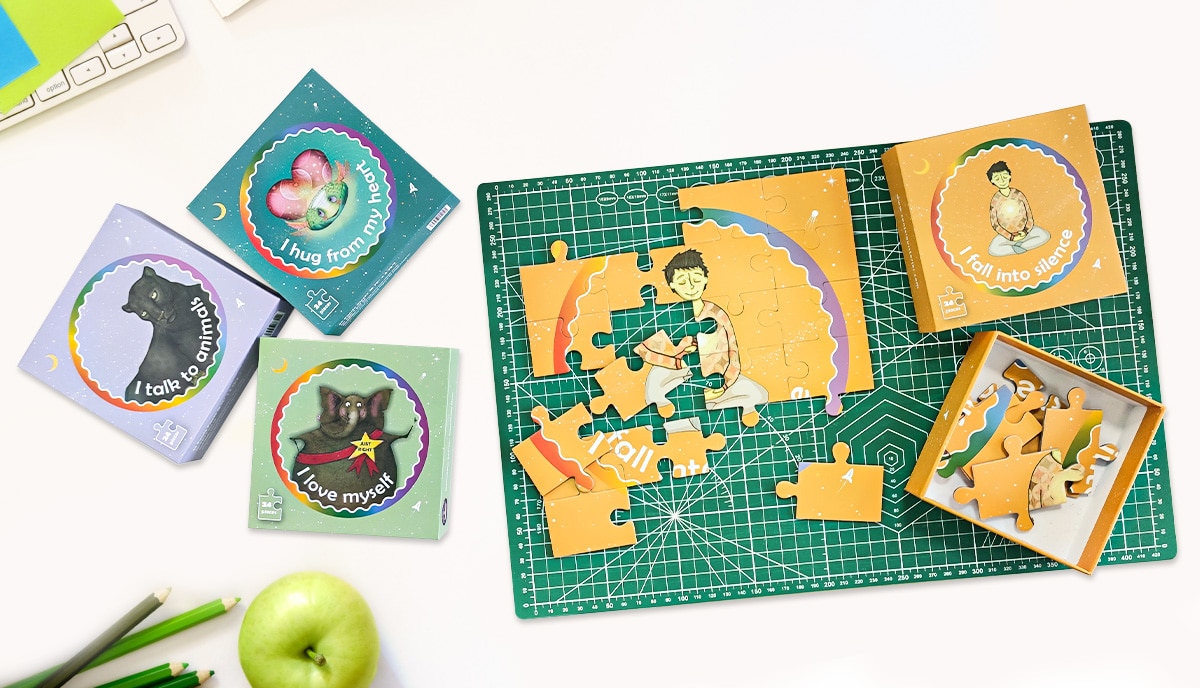
Starting Your Custom Puzzle Business Journey
Unlike traditional retail businesses that require significant upfront inventory investments, custom puzzle creation leverages print-on-demand technology to eliminate financial barriers while maximizing profit potential.
Modern entrepreneurs are discovering that with the right strategy, a puzzle side hustle can generate substantial passive income streams while requiring minimal time investment after the initial setup phase.
The beauty of this business lies in its scalability and the creative freedom it offers. You can start with simple designs targeting specific niches and gradually expand into multiple market segments, building a diversified portfolio that generates revenue around the clock.
Market Opportunities In The Custom Puzzle Industry
Current Market Size And Growth Projections
The Global Jigsaw Puzzle Market is projected to grow from USD 897.43 million in 2023 to an estimated USD 1,568.47 million by 2032, with a CAGR of 6.40% from 2024 to 2032. This robust growth trajectory indicates strong consumer demand that shows no signs of slowing down.
The custom puzzle segment represents an even more promising opportunity within this expanding market. While mass-produced puzzles compete primarily on price, custom puzzles command premium pricing due to their personalized nature and emotional value.
Consumer behavior data reveals that puzzle purchases spike during gift-giving seasons, with personalized options receiving preference over generic alternatives. The therapeutic benefits of puzzle-solvinghave also driven year-round demand, particularly among stress-conscious demographics seeking screen-free relaxation activities.
High-Demand Puzzle Niches And Demographics
Pet portrait puzzles consistently rank among the top-selling custom puzzle categories, with pet owners willing to pay premium prices for personalized memorials and celebration pieces. Family photo puzzles also generate strong sales, particularly during holidays and special occasions, such as anniversaries and graduations.
Niche markets offer exceptional profit opportunities. Vintage map puzzles appeal to geography enthusiasts and travelers, while artistic interpretations of famous landmarks attract tourists and collectors. Educational puzzlesfeaturing learning content serve homeschool parents and teachers, while therapeutic designs target seniors and healthcare facilities.
Adult puzzle buyers typically fall into three primary demographics: gift purchasers seeking unique presents, puzzle enthusiasts building personal collections, and therapeutic users managing stress or cognitive health. Understanding these buyer motivations enables more effective marketing and product development strategies.
Seasonal Trends And Peak Sales Periods
Holiday seasons drive approximately 40% of annual puzzle sales, with Mother's Day, Christmas, and Valentine's Day representing peak custom puzzle periods. Graduation season also generates significant demand for commemorative puzzles featuring school logos, class photos, and achievement themes.
Summer months see increased demand for vacation-themed puzzles and family reunion commemoratives, while back-to-school periods favor educational and children's puzzles. Understanding these seasonal patterns allows strategic inventory planning and marketing calendar development to maximize revenue during high-demand periods.
Smart entrepreneurs leverage seasonal trends by creating themed collections in advance, running promotional campaigns during peak periods, and developing evergreen designs that maintain steady sales throughout the year.
Essential Steps To Launch Your Puzzle Side Hustle

Choosing Your Business Model (POD Vs Traditional Manufacturing)
Print-on-demand represents the optimal starting point for new puzzle entrepreneurs due to its minimal risk profile and low barrier to entry. This model eliminates inventory investment, reduces storage requirements, and allows testing multiple designs without financial commitment.
Print on Demand sellers typically earn profit margins of 30% to 50%, depending on the product and pricing strategy. While these margins may seem modest compared to traditional manufacturing, the eliminated risks and reduced operational complexity make POD highly attractive for side hustle operators.
Traditional manufacturing becomes viable once you've identified proven sellers and can justify minimum order quantities. This transition typically occurs after establishing consistent monthly sales volumes of 50+ units per design, at which point bulk production economics begin to outweigh POD convenience.
Setting Up Your Digital Workspace And Tools
Professional design software forms the foundation of successful puzzle creation. Adobe Photoshop and Illustrator provide industry-standard capabilities, while Canva offers user-friendly alternatives for beginners. GIMP serves as a free option for budget-conscious entrepreneurs starting their journey.
Image resolution requirements demand special attention; puzzles typically require 300 DPI at final print size to ensure crisp, professional results. Understanding file formats, color profiles, and print specifications prevents costly production errors and customer dissatisfaction.
Cloud storage solutions like Google Driveor Dropbox enable efficient design management and client collaboration, while project management tools help track orders, deadlines, and customer communications as your business scales.
Legal Considerations And Business Registration
Business structure selection impacts tax obligations, liability protection, and operational complexity. LLCs provide an optimal balance of simplicity and protection for most puzzle entrepreneurs, while sole proprietorships offer minimal setup requirements for testing business viability.
Copyright awareness proves crucial when using client-provided images or creating derivative works. Establishing clear usage rights through contracts protects both parties and prevents future legal complications. Consider obtaining errors and omissions insurance for additional protection.
Sales tax obligations vary by state and sales volume, requiring careful research and compliance planning. Many entrepreneurs benefit from consulting with tax professionals to establish proper systems from business launch.
Required Permits and Licenses
- Business registration and EIN
- Sales tax permits for states where you sell
- Any industry-specific licensing requirements
- Liability insurance protection
Intellectual Property Protection
- Your Original Designs: Copyright automatically protects original artistic works, but registration provides additional legal protections. Consider trademark protection for business names and logos.
- Using Others' Work: Always obtain written permission before using copyrighted images, including photographs, artwork, or branded content. Unauthorized use can result in costly copyright infringement lawsuits.
- Public Domain Content: Images in the public domain offer safe alternatives, though you cannot claim exclusive rights to these designs.
Designing Winning Custom Puzzles That Sell
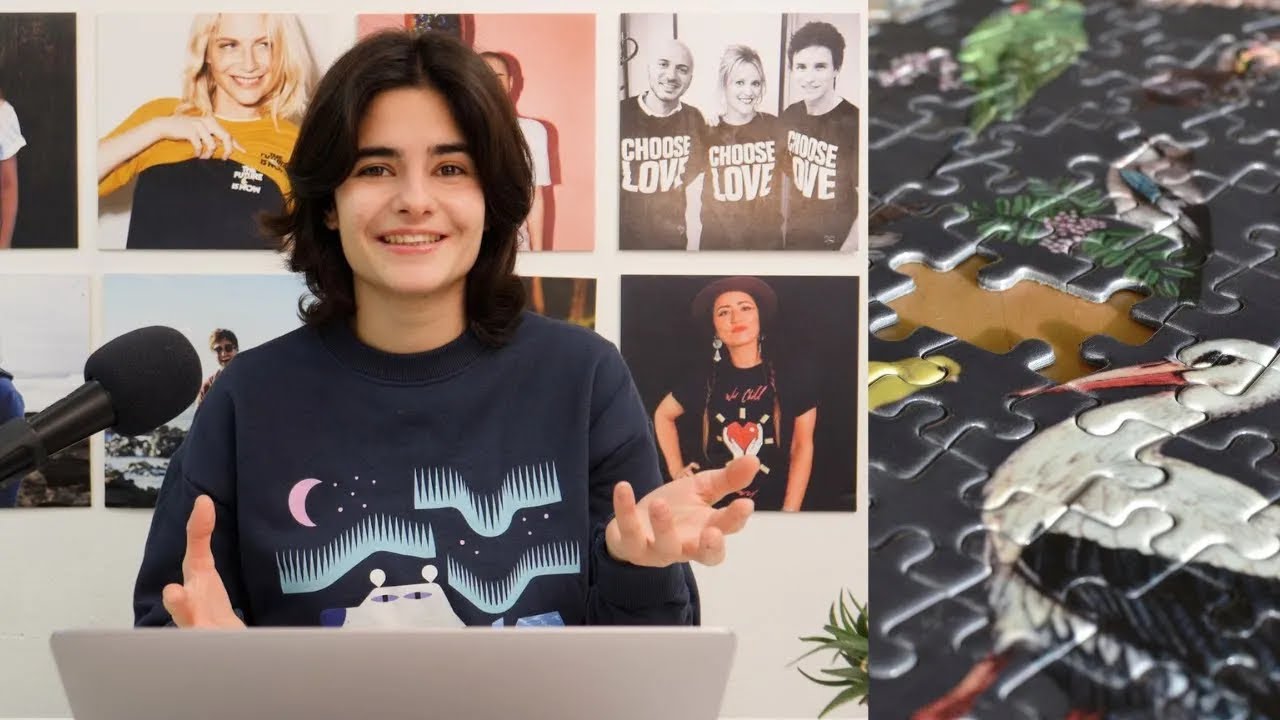
How we make print-on-demand puzzles sustainably (and how you can sell them)
Identifying Profitable Puzzle Categories
Market research reveals consistent top performers across custom puzzle platforms. Pet portraits generate the highest customer engagement and repeat business, with average selling prices 40% above generic puzzle offerings. Family portraits follow closely, particularly those celebrating milestones like anniversaries, graduations, and new babies.
Landscape and travel photography appeals to adventure enthusiasts and memory preservation customers. Abstract and artistic designs attract puzzle collectors seeking unique challenges, while inspirational quotes combined with appealing visuals serve the growing mindfulness market.
Business applications present untapped opportunities, employee recognition puzzles, company logo designs, and promotional products offer higher profit margins and bulk order potential. Event planners, photographers, and gift retailers represent valuable wholesale customers for custom puzzle services.
Design Principles For Maximum Appeal
Visual complexity requires careful balance, too simple appears cheap, while excessive detail creates frustrating assembly experiences. The optimal sweet spot typically features 3-5 major focal points with supporting elements that guide the solver's eye without overwhelming the composition.
Color palette selection significantly impacts both visual appeal and puzzle difficulty. High contrast areas provide natural starting points for solvers, while gradual color transitions create engaging challenges. Avoiding large areas of similar colors prevents frustration and abandoned puzzles.
Typography integration demands special consideration for text-based designs. Font selection should prioritize readability over artistic flair, with sufficient size to remain legible after printing. Contrast between text and background colors ensures visibility across the entire puzzle surface.
Copyright-Safe Image Sources And Creation Methods
Stock photography platforms like Unsplash, Pixabay, and Pexels provide extensive libraries of copyright-free images suitable for commercial use. Adobe Stock and Shutterstock offer premium options with advanced search capabilities and exclusive content.
Creating original photography eliminates copyright concerns while providing unique content that competitors cannot replicate. Digital art creation using drawing tablets and design software offers unlimited creative possibilities without legal restrictions.
Client-provided images require clear usage agreements specifying reproduction rights, distribution permissions, and liability limitations. Standard contracts should address image quality requirements, approval processes, and revision policies to prevent misunderstandings.
Production And Quality Control Strategies
Selecting Reliable Print-on-Demand Partners
Printful leads the POD puzzle marketwith consistent quality, reliable fulfillment, and extensive integration options. Their 1000-piece puzzles retail at competitive price points while maintaining professional presentation standards that enhance customer satisfaction.
Gooten provides alternative sourcing options with different pricing structures and product specifications. Comparing multiple suppliers ensures optimal profit margins while maintaining quality standards that support long-term customer relationships.
Quality variations between suppliers necessitate testing before committing to major product lines. Order samples from multiple providers to evaluate print quality, piece fit, and packaging presentation. Customer reviews and return rates provide valuable feedback for supplier selection decisions.
Quality Standards And Testing Processes
Establishing minimum quality thresholds prevents customer dissatisfaction and negative reviews that damage business reputation. Image resolution standards, color accuracy requirements, and piece precision specifications should be clearly documented and consistently enforced.
Random quality checks on received orders help identify potential supplier issues before they impact customer experience. Maintaining detailed quality logs enables trend identification and supplier performance tracking over time.
Customer feedback systems provide valuable insights into quality perception and areas for improvement. Proactive communication about potential issues demonstrates professionalism and builds trust with buyers who appreciate transparency.
Cost Analysis And Profit Margin Optimization
To set a retail price, calculate your total expenses (including production, shipping, and any dedicated ecommerce platform fees) and add a percentage markup, I recommend a 30%-40% margin. Custom puzzles often command higher margins due to their personalized nature and emotional value.
Production costs typically range from $12-18 for 1000-piece puzzles through major POD providers, while retail prices can range $35-60 depending on customization complexity and target market positioning. Premium packaging and personalization options enable higher price points.
Platform fees significantly impact profitability and require careful calculation. Etsy charges 6.5% transaction fees plus payment processing, while Amazon's fees vary by product category and fulfillment method. Direct sales through personal websites minimize platform fees but require additional marketing investment.
Marketing And Sales Channels For Custom Puzzles
Platform Selection (Etsy, Amazon, Shopify)

Etsy provides the ideal starting platform for custom puzzle businesses due to its craft-focused audience, built-in customization tools, and relatively low competition compared to Amazon. The platform's search algorithm favors unique, personalized products that align perfectly with custom puzzle offerings.
Amazon offers massive traffic potential but requires a strategic approach to overcome intense competition and restrictive customization policies. Consider Amazon for standardized designs while using other platforms for true custom work.
Shopify enables complete control over customer experience, branding, and profit margins, but requires significant marketing investment to drive traffic. This platform works best after establishing proven products and reliable traffic sources through other channels.
SEO And Listing Optimization Techniques
Keyword research reveals high-value search terms like "custom pet puzzle," "personalized family puzzle," and "memorial photo puzzle" that attract motivated buyers. Long-tail keywords often provide better conversion rates than broad terms due to specific intent signals.
Product titles should balance keyword inclusion with natural language that appeals to human buyers. "Custom Pet Portrait Puzzle - Personalized Dog Photo Gift - 1000 Piece Jigsaw" incorporates multiple relevant keywords while remaining readable.
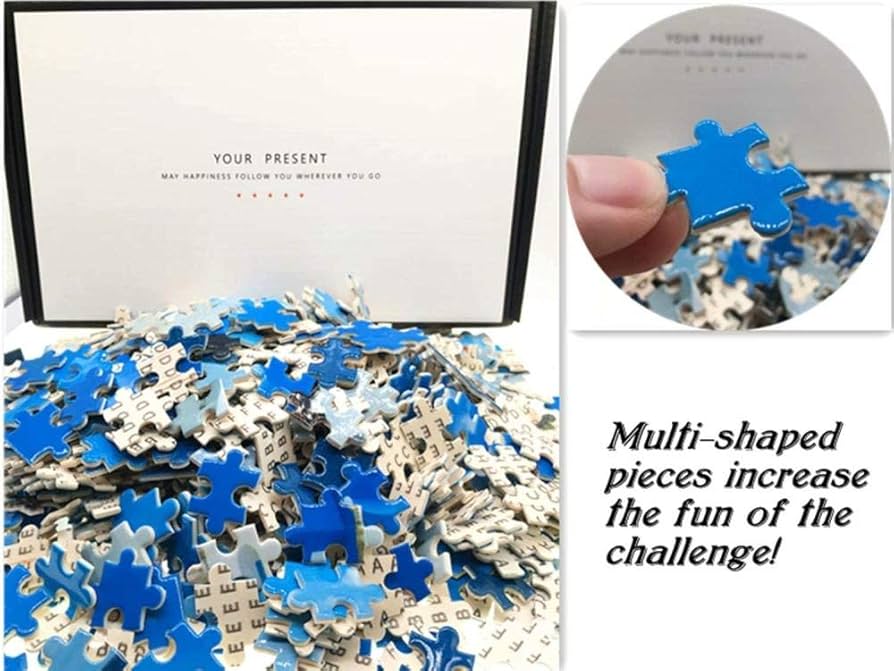
Image optimization proves crucial for marketplace success. Primary images should showcase the finished puzzle clearly, while additional photos demonstrate packaging, piece quality, and size comparisons. Lifestyle images showing puzzles in use create emotional connections with potential buyers.
Social Media Marketing For Puzzle Businesses
Instagram's visual nature makes it ideal for showcasing puzzle designs, time-lapse assembly videos, and customer testimonials. Stories and Reels featuring puzzle creation processes generate engagement while educating followers about your services.
Pinterest drives significant traffic to puzzle businesses through pins featuring completed puzzles, gift ideas, and seasonal collections. Creating boards for different puzzle categories helps organize content while improving search visibility.
Facebook groups dedicated to puzzles, crafts, and personalized gifts provide targeted audiences for product promotion. Contributing valuable content before promoting products builds trust and reduces spam perception.
Scaling Your Puzzle Business For Long-Term Success
Automation Tools And Workflow Optimization
Order management systems streamline customer communications, tracking, and fulfillment processes as sales volumes increase. Integrating payment processing, inventory tracking, and customer service tools reduces manual workload while improving response times.
Design templates accelerate custom puzzle creation while maintaining quality standards. Developing modular design systems enables rapid customization without starting from scratch for each order.
Customer communication templates for common inquiries, order confirmations, and shipping notifications maintain professional standards while reducing response time. Automated systems can handle routine communications while flagging complex issues for personal attention.
Building Customer Loyalty And Repeat Sales
Follow-up communications after puzzle delivery demonstrate care for customer satisfaction while creating opportunities for additional sales. Simple satisfaction surveys provide valuable feedback while encouraging reviews and referrals.
Seasonal product launches targeted to existing customers generate repeat business through fresh offerings. Holiday-themed collections, anniversary reminders, and new pet puzzle options maintain engagement with previous buyers.
Loyalty programs offering discounts for repeat purchases or referrals incentivize customer retention while expanding the customer base through word-of-mouth marketing. Simple punch card systems or percentage discounts reward loyalty effectively.
Expanding Product Lines And Market Reach
Related products like custom calendars, photo books, and prints leverage existing customer relationships while increasing order values. Cross-selling complementary items improves profitability per customer relationship.
Wholesale opportunities with gift shops, photography studios, and event planners provide bulk order potential at attractive margins. Developing standardized product lines simplifies wholesale sales while maintaining customization capabilities.
International expansion through platforms supporting global shipping opens new markets with potentially less competition. Currency considerations and shipping logistics require careful planning but offer significant growth opportunities.
Financial Planning And Profit Maximization
These Weird Custom Puzzles Sell Like Crazy! Print On Demand Personalization Tutorial (DESIGN)
Pricing Strategies For Different Market Segments
Premium pricing strategies work effectively for custom puzzles due to their emotional value and personalized nature. Pet memorial puzzles can command higher prices than casual gift puzzles due to their sentimental significance.
Tiered pricing structures accommodate different budget levels while maximizing revenue potential. Basic customization options at lower price points capture price-sensitive buyers, while premium options with enhanced packaging and expedited shipping serve luxury market segments.
Bulk pricing for corporate orders, event planners, and gift retailers requires different calculations from individual sales. Volume discounts should maintain profitability while providing attractive incentives for larger orders.
Managing Costs And Maximizing ROI
Fixed costs, including design software subscriptions, website hosting, and business licenses, should be tracked monthly to understand break-even requirements. Variable costs per unit include production, shipping, and platform fees.
Marketing spend requires careful tracking and optimization to maintain a positive return on investment. Successful campaigns should be scaled, while underperforming initiatives are modified or discontinued based on actual results.
Time investment analysis helps identify activities generating the highest return per hour invested. Focusing effort on high-value activities while automating or outsourcing routine tasks improves overall profitability.
Tax Considerations For Side Hustle Income
Business expense deductions, including design software, office supplies, and marketing costs, reduce taxable income when properly documented. Maintaining detailed records throughout the year simplifies tax preparation and maximizes deductions.
Quarterly estimated tax payments may be required once income exceeds certain thresholds, preventing large year-end tax bills and associated penalties. Consulting with tax professionals ensures compliance while optimizing tax strategies.
Business structure impacts tax obligations and deduction opportunities. LLCs provide flexibility in tax treatment while protecting personal assets from business liabilities.
Example Breakdown:
- POD Cost for a Puzzle: $15.00
- Shipping: $5.00
- Platform Fees (Etsy/Shopify): 5-10% of the sale price
- Marketing Budget: 5-10% of the sale price
- Your Target Profit: $10.00 per puzzle
Based on this, your selling price should be around $40-$50. This gives you a healthy margin to cover costs and make a profit. Don't be afraid to price your product based on its perceived value and uniqueness, not just the cost of materials.
Common Mistakes To Avoid
1. Ignoring The Niche
Instead of being a generalist, become a specialist. Choose a specific audience you want to serve and tailor your products and messaging to them. Think about who your ideal customer is and what they're passionate about. For example, you could create a brand that specializes in custom puzzles of pets, or one that focuses on architectural blueprints of famous landmarks.
2. Underestimating Your Pricing
Treat your business like a business, not a hobby. Create a detailed budget and use a pricing formula that includes all your costs, including your time. A good rule of thumb is to aim for a profit margin of 25-45% on each sale. Your price should reflect the unique value you provide.
3. Neglecting High-Quality Product Photography
Invest in quality product photography. Use natural light or a simple lighting setup to show off your puzzle's colors. Don't just show the completed puzzle; also include close-up shots of the pieces, a photo of the box, and a lifestyle shot showing someone enjoying the puzzle. This helps your product look premium and builds trust with potential customers.
4. Choosing The Wrong Production Partner
Many people choose their print-on-demand (POD) partner based on a single factor: price. However, a cheap supplier often comes with trade-offs in quality, customer service, and fulfillment speed. A partner that sends out puzzles with faded colors or takes weeks to ship will reflect poorly on your brand, regardless of your designs.
How to avoid it: Don't just look at the price. Research several POD companies that offer puzzles. Order samples from each one to compare the puzzle quality, color accuracy, and packaging. Prioritize a partner with a strong reputation for quality and reliable shipping, even if it costs a little more.
5. Overlooking Shipping Logistics
Know your shipping costs upfront. Use a flat-rate box if possible, or a calculated shipping rate based on the customer's location. If you want to offer free shipping, make sure you build the average shipping cost directly into your product's price so you don't lose money on each sale.
6. Failing To Manage Customer Expectations
Be proactive in your communication. Send a digital proof for customer approval before you place the order. Explain potential color variations. Provide estimated delivery times and send updates with tracking information. Clear, honest communication builds trust.
You Might Like: Passive Income Ideas For Students
Frequently Asked Questions
How Much Money Can I Realistically Make Selling Custom Puzzles?
Income potential varies significantly based on effort, marketing effectiveness, and product positioning. Part-time entrepreneurs typically generate $500-2,000 monthly within their first year, while full-time operations can reach $5,000-15,000 monthly with established customer bases and optimized systems. Success depends heavily on consistent marketing efforts and quality product offerings.
What's The Minimum Investment Needed To Start A Custom Puzzle Business?
Initial investment can be as low as $200-500 for basic design software, sample products, and initial marketing. Print-on-demand models eliminate inventory requirements, making this one of the lowest-risk business opportunities available. Additional investment in premium design tools and marketing can accelerate growth, but isn't required for testing viability.
How Long Does It Take To Fulfill Custom Puzzle Orders?
POD fulfillment typically requires 3-7 business days for production plus shipping time to customers. Rush orders may be available for premium pricing through some suppliers. Setting appropriate customer expectations during ordering prevents dissatisfaction while allowing competitive delivery timelines.
Do I Need Artistic Skills To Create Successful Puzzle Designs?
Professional artistic training isn't required, but basic design principles knowledge helps create appealing products. Many successful puzzle entrepreneurs focus on curation and customization rather than original art creation. Photo editing skills and understanding of print requirements prove more valuable than traditional artistic abilities.
What Puzzle Sizes And Piece Counts Sell Best?
1000-piece puzzles represent the optimal balance of challenge, completion time, and production costs for most markets. 500-piece options appeal to beginners and seniors, while 1500-2000-piece puzzles serve serious enthusiasts. Starting with 1000-piece offerings allows market testing before expanding size options.
How Do I Handle Copyright Issues With Customer-Provided Images?
Clear contracts specifying image usage rights protect both parties while preventing legal complications. Customers should confirm they own the rights to the submitted images or have permission for commercial use. Refusing questionable images protects business integrity even if it means declining some orders.
What's The Best Way To Price Custom Puzzle Orders?
Cost-plus pricing ensures profitability by calculating all expenses and adding desired profit margins. Market research reveals competitive pricing ranges, while value-based pricing considers emotional significance and customization complexity. Testing different price points helps identify optimal positioning for your target market.
Should I Offer International Shipping For My Puzzles?
International shipping expands market opportunities but requires careful consideration of customs, duties, and shipping costs. Many platforms handle international logistics automatically, simplifying global sales. Testing international demand through platforms before committing to independent international shipping reduces complexity.
Conclusion
Building a side hustle selling custom puzzles is a marathon, not a sprint. The key to success lies in two things: finding a truly unique niche and providing a superior customer experience.
By focusing on these elements, you can create a business that not only brings you income but also brings joy to your customers.
Your journey won't be without its challenges, but with a solid plan, a little creativity, and a lot of passion, you can piece together a business that's as rewarding as it is profitable.
If you enjoyed this guideline and are considering starting your own custom puzzle business, please share it with others who might find it helpful.
Jump to
Starting Your Custom Puzzle Business Journey
Market Opportunities In The Custom Puzzle Industry
Essential Steps To Launch Your Puzzle Side Hustle
Designing Winning Custom Puzzles That Sell
Production And Quality Control Strategies
Marketing And Sales Channels For Custom Puzzles
Scaling Your Puzzle Business For Long-Term Success
Financial Planning And Profit Maximization
Common Mistakes To Avoid
Frequently Asked Questions
Conclusion
Latest Articles
Popular Articles