How To Start A Chat With Someone From Indonesia | My Personal Experience
Wondering how to start a conversation with Indonesians? Here are my proven tips for connecting naturally and making real friendships.
Aug 26, 202594 Shares47.1K Views

Three years ago, I was completely clueless about how to start a chat with someone from Indonesia. My messages felt awkward, my questions often fell flat, and conversations would die before they even began. Then I moved to Jakarta for work, and one afternoon, while ordering coffee at a tiny street stall, a friendly local struck up a conversation with me.
It started with a simple smile and “Mau kopi, Mas?” (Want coffee, sir?) and turned into a 20-minute chat full of laughter. That moment changed everything. I began to see that Indonesian communication is like a beautiful dance; there’s rhythm, respect, and an art to it that goes far deeper than just words.
I learned that what works in Western cultures can backfire here, but once you understand the patterns, connecting becomes natural and deeply rewarding. Today, I want to share everything I’ve learned about chatting authentically with Indonesians, from talking online to meeting someone new or building a business relationship.
1. Start With A Warm Greeting
In Indonesia, greetings matter. Before moving here, I would jump straight into a question or topic. But locals often start with “Halo” (Hello) or “Apa kabar?” (How are you?) and wait for a friendly reply before diving deeper. This small step sets a warm tone and shows respect.
I noticed that when I skipped the greeting, people seemed less engaged. But when I began with a smile and a simple “Apa kabar?” the response was warmer, and conversations flowed better. It’s not just politeness; it’s a way to connect on a human level before getting into the details.
2. Use Light, Friendly Topics First
When chatting with Indonesians, getting straight into serious topics can feel abrupt. I learned to start with easy subjects like food, weather, or daily life. Mentioning something like “I tried nasi goreng today, and it was delicious!” often gets a cheerful response and maybe even recommendations for other dishes.
Food is a huge part of Indonesian culture, and talking about it can spark long, enthusiastic chats. You can also comment on the surroundings, “The sunset here is so beautiful” and watch how quickly it opens the door to friendly conversation.
3. Show Respect With Your Words
Respect is deeply valued in Indonesian culture, and it’s reflected in the language. For example, adding “Pak” (sir) or “Bu” (ma’am) when addressing someone older shows politeness. I once forgot to do this with a business contact, and while they didn’t say anything, I could sense the conversation felt less smooth.
Using these small honorifics has made a huge difference in how people respond to me. Even in casual chats, a little respect goes a long way. It tells the other person you value them, not just the conversation.
4. Smile Even In Texts
One of my earliest lessons in Jakarta was that a smile can be felt, even in written words. Locals often use friendly emojis or light phrases that carry warmth. When I started adding a 😊 or a simple “Haha” in my texts, the replies became more relaxed and open.
It’s not about overdoing it, just adding a touch of friendliness so the other person feels comfortable. In Indonesia, warmth is as important as the actual topic you’re talking about.

5. Be Patient: Conversations Take Time
I used to expect quick answers, especially in online chats. But in Indonesia, people sometimes take their time to reply. It’s not because they’re ignoring you; they might be busy or simply value a slower, more thoughtful pace.
Once I understood this, I stopped sending follow-up messages too quickly. I learned to give space and let the conversation breathe. Often, the next reply came with more thought and detail than if I had rushed them.
6. Learn A Few Local Phrases
You don’t have to be fluent in Bahasa Indonesia to make a great impression. Even small efforts, like saying “Terima kasih” (Thank you) or “Senang bertemu denganmu” (Nice to meet you), can bring smiles. When I tried speaking a few words, people would light up and encourage me to learn more.
It’s not about perfect grammar; it’s about showing you care enough to step into their world. And often, it becomes a fun part of the conversation as they teach you new words.
7. Avoid Overly Direct Questions At First
One of my biggest mistakes was asking very direct questions too early, like “What’s your salary?” or “Why aren’t you married?” In Western culture, these might be blunt but acceptable in some contexts. Here, they can feel intrusive if you’re not close yet.
Instead, I learned to let personal topics come up naturally. By building trust first, people opened up more, and those conversations felt genuine instead of forced.
8. Use Shared Interests To Keep The Chat Going
I once bonded with a colleague simply because we both loved football. We started talking about an upcoming match, and that conversation lasted weeks. Shared interests, whether it’s music, travel, or hobbies, keep the chat alive and enjoyable.
In Indonesia, community and shared experiences matter. When you find a common topic, it’s like finding a bridge that makes every exchange feel easier.
8. Respect Religion And Traditions
Religion plays a big role in daily life for many Indonesians, especially Islam, but also Christianity, Hinduism, Buddhism, and others. I quickly learned that being respectful about religious beliefs isn’t optional; it’s essential.
For example, during Ramadan, my Muslim friends would fast from dawn to sunset. I made sure not to eat or drink in front of them during the day, and I’d greet them with “Selamat berbuka puasa” (Happy breaking of the fast) in the evening. These small gestures showed I cared about their traditions.
If you’re unsure about certain practices, it’s okay to politely ask; most Indonesians will be happy to explain. What matters is approaching the topic with humility and genuine respect.
Understanding Indonesian Communication Culture
The Power Of Indirect Communication
I used to think being direct was efficient and respectful. Boy, was I wrong when it came to Indonesian culture. Indonesians are generally indirect communicators who make less use of words and are more attentive to posture, expression, and tone of voice to draw meaning.
When I first started chatting with Indonesian colleagues, I'd ask things like "Can you finish this by tomorrow?" Their responses were always vague "I'll try my best" or "We'll see what happens." I thought they were being evasive. Later, I learned they were being polite while potentially saying no.
The key insight? Indonesian communication prioritizes relationship harmony over information exchange. When starting a chat, think less about what you need and more about how you can build a connection. Instead of jumping straight to your point, spend time on relationship-building first.
Harmony And Face-Saving In Conversations
The purpose of this indirect communicationis to maintain harmony throughout the conversation and prevent a loss of face on either end of the exchange. This completely changed how I approach conversations with Indonesian people.
"Face-saving" means protecting both your dignity and theirs. When you start a chat, you're not just exchanging information; you're creating a safe space where neither person feels embarrassed or pressured. I learned to phrase questions gently, give people easy ways to decline requests, and always leave room for graceful exits from topics.
For example, instead of asking "Do you want to meet for coffee?" I learned to say "If you're ever free and interested, I'd love to grab coffee sometime, no pressure at all!" This approach removes the awkwardness of a direct rejection.
Religious And Cultural Influences On Chat Styles
Indonesia is incredibly diverse, but Islamic culture influences communication patterns significantly, even in secular contexts. Practicing Muslims may be uncomfortable touching the opposite gender in any way unless they are a close friend or relative, and this extends to communication boundaries, too.
I noticed that mixed-gender conversations often start more formally and take longer to become casual. Religious holidays, prayer times, and family obligations are natural conversation topics that show cultural awareness. When someone mentions they need to pray or attend family events, acknowledging this respectfully builds instant rapport.
Pre-Chat Preparation: Setting Yourself Up For Success
Research Regional Differences
Indonesia has over 17,000 islands and 300 ethnic groups. The communication style in cosmopolitan Jakarta differs significantly from traditional Javanese culture or Balinese customs. Before starting conversations, I do quick research about someone's background.
Are they from Java? Javanese culture emphasizes even more indirect communication and hierarchical respect. From Sumatra? They might be more direct and business-focused. From Bali? Hindu cultural influences create different conversation rhythms. This isn't about stereotyping, it's about showing cultural curiosity and adapting your approach.
Basic Indonesian Phrases That Open Doors
Learning even five Indonesian phrases transformed my conversation success rate. Here are the game-changers I use regularly:
- "Apa kabar?"(How are you?) - More personal than the english equivalent
- "Selamat pagi/siang/sore"(Good morning/afternoon/evening) - Shows cultural awareness
- "Terima kasih"(Thank you) - Essential for politeness
- "Maaf, saya tidak bisa bahasa Indonesia dengan baik"(Sorry, my Indonesian isn't very good) - Disarms language barriers
- "Semoga harimu menyenangkan"(Have a wonderful day) - Beautiful way to end conversations
When I use these phrases, even imperfectly, people's responses become warmer immediately. It shows respect for their culture and effort on your part.
Timing And Platform Considerations
Indonesian digital culture has unique rhythms. WhatsApp dominates personal communication, while Instagram and TikTok are popular for casual connections. Business conversations often happen on LinkedIn or email.
I learned that response times are culturally different too. Where I might expect quick replies, Indonesian communication values thoughtful responses over speed. Pausing before giving a response indicates that someone has applied appropriate thought and consideration to the question, signifying politeness and respect.
Don't interpret delayed responses as disinterest. Give people space to respond thoughtfully, and they'll appreciate your cultural sensitivity.
Essential Do's And Don'ts When Chatting With Indonesians
Cultural Sensitivities To Respect
Through my mistakes, I learned several critical sensitivities that can make or break Indonesian conversations:
Do:
- Show respect for Islamic customs, even if you're not Muslim
- Ask about cultural traditions with genuine curiosity
- Acknowledge Indonesia's diversity rather than making generalizations
- Be patient with indirect communication styles
- Show interest in learning Indonesian language and customs
Don't:
- Make jokes about religion, especially Islam
- Criticize Indonesian government or politics unless specifically invited
- Push for direct answers when someone is being diplomatically vague
- Ignore cultural holidays and observances
- Assume all Indonesians share the same beliefs or backgrounds
Topics To Approach Carefully
Some conversation topics require extra sensitivity in Indonesian culture. I learned this through uncomfortable moments that taught me valuable lessons.
Sensitive topics that need careful approach:
- Politics:Only discuss if they bring it up first, and even then, listen more than you speak
- Religion:Show respect and curiosity, but avoid theological debates
- Regional conflicts:Indonesia has complex ethnic and regional dynamics
- Economic disparities:Be sensitive about wealth differences
- Colonial history:Understand the historical context of foreign involvement
Safe topics that build connection:
- Family and personal stories
- Food and cultural traditions
- Travel experiences within Indonesia
- Educational and career aspirations
- Arts, music, and entertainment
- Local festivals and celebrations
Non-Verbal Cues In Video Chats
Video calls revealed additional cultural patterns I hadn't noticed in text conversations. Indonesians tend to make direct eye contact with their peers but still break the gaze frequently and may feel awkward holding prolonged eye contact. I learned more about these subtle social cues on ChatCoffee, a platform that connects people for casual conversations and cultural exchange.
In video chats, I learned to:
- Make eye contact but don't stare intensely
- Pay attention to subtle facial expressions that indicate agreement or disagreement
- Notice when someone seems hesitant - they might be disagreeing politely
- Use gentle gestures and avoid pointing directly
- Be aware of background noise and family interruptions as normal parts of Indonesian home life
Understanding these non-verbal patterns helped me read conversations more accurately and respond appropriately to subtle communication cues.
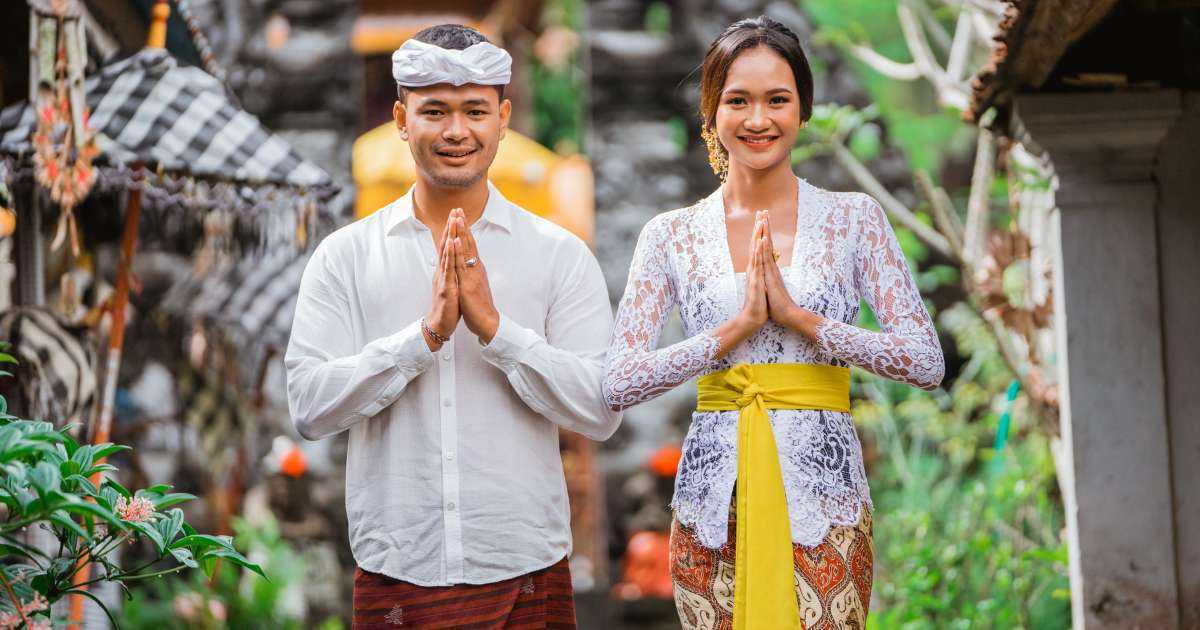
8 Proven Conversation Starters That Work In Indonesian Culture
Family And Personal Connection Topics
It is common to ask about families in Indonesian small talk, even if you've just met for the first time. This was shocking to me initially - in Western culture, asking about family feels too personal too quickly. In Indonesia, it's expected and appreciated.
Great family-focused conversation starters:
- "Do you have a big family? I'd love to hear about them"
- "Are you close with your parents? Family is so important"
- "Do you have brothers or sisters? What are they like?"
- "I saw your family photo - they look wonderful. Tell me about them"
These questions open doors to rich conversations about values, traditions, and personal experiences. Family stories often lead to discussions about childhood, hometown memories, and cultural traditions.
Food And Cultural Exchange Starters
Indonesian food culture is incredibly rich and regional. Food conversations never fail as conversation starters because they combine personal preference with cultural pride.
My go-to food conversation starters:
- "I'm trying to learn about Indonesian food - what's your favorite dish from your hometown?"
- "I just tried rendang for the first time and I'm obsessed. What other dishes should I try?"
- "Do you cook Indonesian food? I'd love to learn some recipes"
- "What's the best Indonesian restaurant you know? I want authentic flavors"
Food conversations are safe, engaging, and educational. They often lead to invitations to try restaurants together or even cooking lessons. Plus, showing genuine interest in Indonesian cuisine demonstrates cultural appreciation.
Safe Professional And Educational Topics
Education is highly valued in Indonesian culture, making it an excellent conversation bridge. Professional discussions work well when framed around learning and growth rather than competition.
Effective professional conversation starters:
- "What inspired you to choose your career path?"
- "I'm always curious about different educational systems - what was school like for you in Indonesia?"
- "What's the most interesting project you're working on lately?"
- "I'd love to learn more about business culture in Indonesia - any insights?"
These questions show genuine interest in their experience while opening doors to cultural exchange about work-life balance, career aspirations, and educational values.
Hobbies And Interest-Based Openings
Shared interests create instant connections that transcend cultural boundaries. Indonesian people have diverse hobbies, from traditional arts to modern technology interests.
Interest-based conversation starters that work well:
- "I noticed you're interested in [hobby/interest] - how did you get started with that?"
- "Do you follow any Indonesian musicians/artists? I'm trying to discover new music"
- "I'm fascinated by Indonesian art/culture - do you have favorite traditional or modern artists?"
- "What do you like to do for fun in [their city]? I'm always looking for new ideas"
The key is genuine curiosity rather than superficial small talk. When you show authentic interest in their hobbies, conversations flow naturally into personal values and experiences.
Business And Professional Conversations
Business communication in Indonesia follows specific cultural protocols I had to learn through trial and error. Hierarchy matters significantly, and rushing into business topics without relationship-building often backfires.
My business chat approach now follows this pattern:
- Personal greeting and small talk (5-10 minutes minimum)
- Gentle transition to business topics using indirect language
- Collaborative problem-solving rather than direct demands
- Personal connection at the end to maintain relationships
For example, instead of "I need this report by Friday," I learned to say "When you have a chance, could we discuss the timeline for the report? I want to make sure it works with your schedule." This approach builds cooperation instead of creating pressure.
Casual Social Interactions
Casual chats with Indonesian people are wonderfully warm once you understand the rhythm. In Indonesia, small talk is known as "Basa Basi," and being frontal about issues or topics is seen as rude.
I embrace "basa-basi" now as relationship investment, not time-wasting. Casual conversations might spend 20 minutes on weather, family, and daily life before touching deeper topics. This isn't inefficiency - it's relationship building that makes everything else possible.
Successful casual chat patterns:
- Start with genuine interest in their day/week
- Share something personal about yourself to build reciprocity
- Ask follow-up questions that show you're listening actively
- Let conversations flow naturally without forcing topics
Online Dating And Friendship Building
Online dating and friendship apps in Indonesia require extra cultural sensitivity. Traditional values influence how people approach romantic and social connections, especially across gender lines. When using dating apps Indonesia, it’s important to understand these nuances to build genuine connections.
For romantic connections, I learned to be more patient and formal initially. Indonesian dating culture often involves getting to know someone's character and family background before romantic feelings develop. Rushing into a flirtatious conversation can backfire badly.
For friendships, shared activities and group settings work better than one-on-one meetings initially. Suggesting group coffee meetings, cultural events, or language exchanges creates comfortable environments for connections to develop naturally.
Group Chat Dynamics
Indonesian group chats have fascinating dynamics around hierarchy and inclusion. In family or work group chats, older or more senior members often guide conversation topics. Jumping in too quickly or dominating discussions can be seen as disrespectful.
I learned to observe group chat patterns before participating actively. Who initiates topics? How do people respond to different members? What topics create engagement versus awkward silence? Understanding these dynamics helps you contribute positively to group conversations.
People Also Ask
How Do People In Indonesia Communicate?
Indirect Communication: Indonesians are generally indirect communicators. They make less use of words and are more attentive to posture, expression and tone of voice to draw meaning. Speech is ambiguous, often understating the point or corrective remarks to be polite.
What Should I Never Say When Starting A Chat With Someone From Indonesia?
Never make direct demands, criticize Indonesian culture or politics, or rush into personal topics without building rapport first. Avoid assumptions about their religion, economic situation, or family structure. Also, don't use overly casual language too quickly Indonesian culture values politeness and formality initially.
What's The Difference Between Formal And Casual Conversation Styles In Indonesian Culture?
Formal Indonesian conversations use more indirect language, honorific titles, and structured politeness. Casual conversations allow more personal sharing and relaxed language, but still maintain respect for hierarchy and cultural sensitivity. The transition from formal to casual happens gradually as relationships develop, not immediately.
How Do I Handle Misunderstandings In Cross-cultural Chats?
When misunderstandings occur, acknowledge them directly but gently. Say something like "I think I might have misunderstood - could you help me understand better?" Indonesian culture appreciates when foreigners acknowledge cultural learning opportunities. Use misunderstandings as chances to deepen cultural understanding rather than sources of embarrassment.
Final Thoughts
Starting a chat with someone from Indonesia works best when you combine politeness, cultural insight, and genuine interest. Begin with respectful greetings, maybe a Bahasa phrase. Ask a light, relevant question. Use warmth and indirect phrasing. Listen closely and follow up thoughtfully. And always smile, through your words or tone.
I hope this feels like we’re chatting face-to-face, not just another how-to guide. Give it a try and see how things unfold naturally. Good luck and enjoy your conversation!
Jump to
1. Start With A Warm Greeting
2. Use Light, Friendly Topics First
3. Show Respect With Your Words
4. Smile Even In Texts
5. Be Patient: Conversations Take Time
6. Learn A Few Local Phrases
7. Avoid Overly Direct Questions At First
8. Use Shared Interests To Keep The Chat Going
8. Respect Religion And Traditions
Understanding Indonesian Communication Culture
Pre-Chat Preparation: Setting Yourself Up For Success
Essential Do's And Don'ts When Chatting With Indonesians
8 Proven Conversation Starters That Work In Indonesian Culture
People Also Ask
Final Thoughts
Latest Articles
Popular Articles